
A decade ago, oud sat almost entirely on the men's shelf at most Western perfume counters, filed next to leather and tobacco notes. That shelf has quietly reorganised itself. More women are now reaching for oud not as a masculine borrow, but as a note in its own right, and the fragrance industry has followed rather than led that shift.
What to know
Oud is a resin that forms naturally inside certain Aquilaria trees in response to injury or infection, not a synthetic base built to imitate wood.
Oud's traditional home is Middle Eastern and South Asian perfumery, where it has been worn by, and formulated for, women for centuries, despite its more recent Western framing as a strictly masculine note.
Because raw oud is intense, most fragrances built around it blend it with rose, saffron, or florals to soften and brighten the profile rather than wearing it unblended.
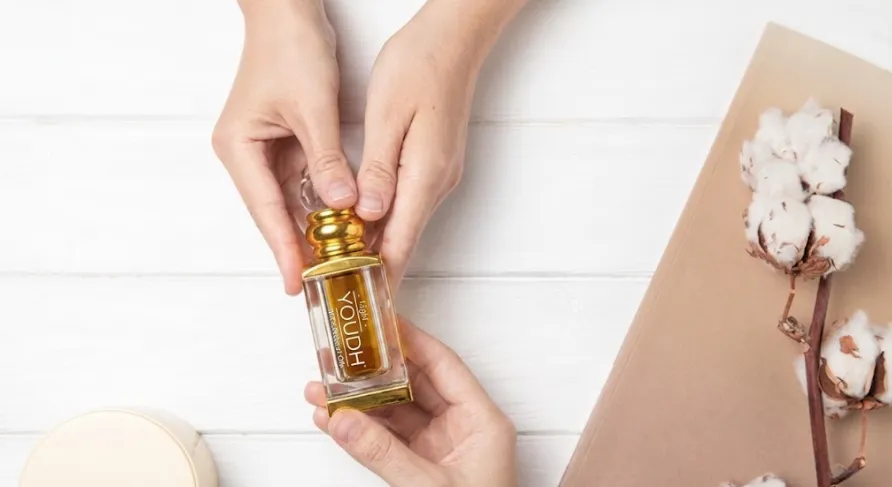
The Shift From the Men's Cologne Aisle to Women's Fragrance Wardrobes
Western perfumery spent much of the last two decades treating oud as shorthand for a heavy, masculine fragrance category, usually marketed alongside leather, tobacco, and other traditionally "dark" notes. That framing was always a narrower read on oud than its history supports. In the regions where oud has been worn longest, it was never gendered in the way Western marketing later packaged it.
That correction is now visible on shelves. Established fragrance houses and independent perfumers alike have expanded their oud offerings into women's lines over the past several years, often pairing oud with notes, rose, jasmine, saffron, that Western perfume culture has long coded as feminine. The result is not oud softened into something unrecognisable. It is oud presented the way it was originally worn, as a base capable of carrying warmth and femininity as easily as it carries intensity.
What Makes Oud Different From Typical Women's Perfume Notes
Most mainstream women's perfume leans on fruity, floral, or fresh top notes designed to read clearly within the first few minutes of application. Oud works differently. It is a resinous, woody, sometimes smoky base note that develops slowly, meaning a fragrance built around it can smell noticeably different an hour into wear than it did on application.
That slow development is part of the appeal for people moving away from lighter, more one-dimensional scents. A well-blended oud fragrance tends to reveal new facets over the course of a day rather than presenting everything at once, which is a different kind of wearing experience than most mass-market women's perfume is built to deliver.
Where Oud Comes From, and Why That Matters for Sourcing
Oud, also called agarwood, only forms inside a small number of Aquilaria tree species after the tree is wounded or infected by a specific mould, triggering a defensive resin response. Not every Aquilaria tree produces resin dense enough to harvest, and the process cannot be reliably forced on demand, which is a large part of why genuine oud commands the prices it does. Kew Science's Plants of the World Online database catalogues Aquilaria malaccensis, one of the principal source species for oud, including its native range across South and Southeast Asia. That documented rarity is exactly why sourcing matters when choosing an oud fragrance: a responsibly sourced, well-documented supply chain is not a minor detail on a product page, it is the difference between a fragrance built on a genuinely rare material and one cutting corners to hit a price point.
How to Wear Oud If You've Never Tried It Before
Oud rewards a lighter hand than most other perfume bases. One or two sprays is usually enough, since the note is built to project and develop rather than needing to be layered on heavily to register. For a first attempt, a blended composition, oud paired with rose or a warm amber base, tends to be a gentler introduction than a fragrance built around oud alone, since the supporting notes soften the initial impression while the oud develops underneath. YOUDH's oud collection is organised by exactly that kind of blend profile, which makes it easier to find a starting point that matches how bold or subtle a first oud fragrance should feel.
Building an Oud-Based Fragrance Wardrobe
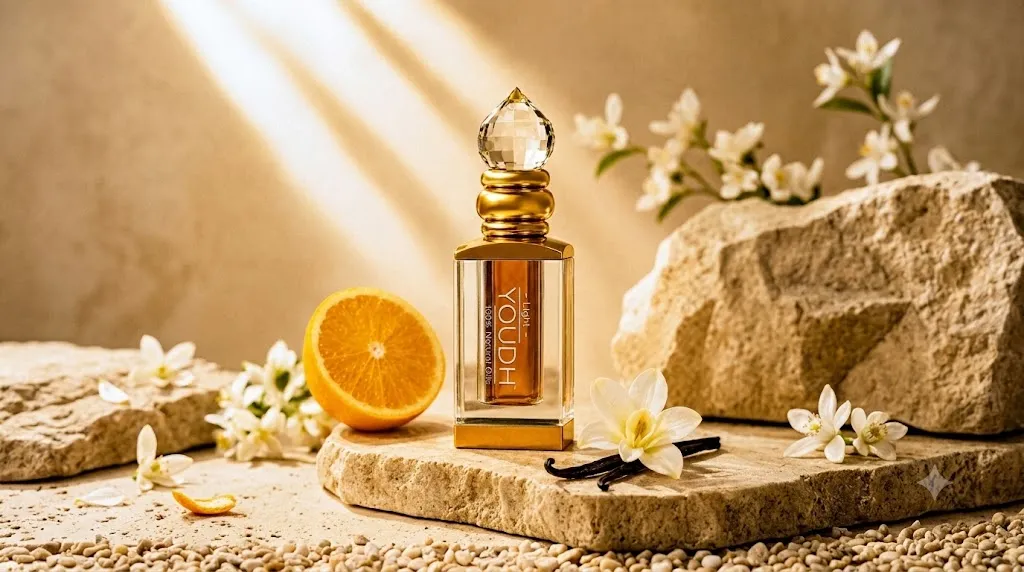
Once oud earns a place in a fragrance wardrobe, the more common next step is not replacing everything else but adding range. A lighter, rose-forward oud blend suits daytime wear and office settings in a way a deeper, more resinous formulation does not, while a heavier oud fragrance tends to suit evening wear or colder months, when its slow, warm development has more room to unfold without competing against other scents in a warm room.
Building that range deliberately, rather than buying oud fragrances one at a time without a plan, is what turns a single bottle into an actual wardrobe. YOUDH's women's oud edit is built around that kind of range, spanning lighter daytime blends through to deeper, more traditional formulations, which makes it a reasonable place to compare options side by side rather than guessing from a single bottle.
Storing and Wearing Oud So It Lasts
Oud-based fragrances are more sensitive to heat and light than many other perfume styles, since the resinous compounds that give oud its depth can degrade faster under direct sun or fluctuating temperatures than lighter, more volatile fragrance families. Keeping a bottle away from a windowsill or a bathroom cabinet that swings between hot showers and cold air is a small habit that noticeably extends how long the scent holds its character.
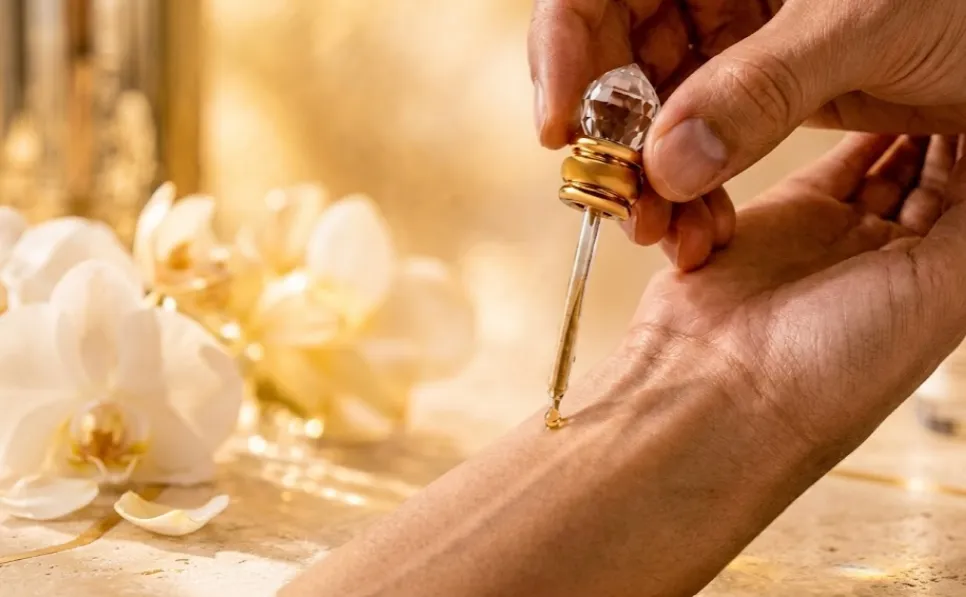
Application matters as much as storage. Oud tends to perform best on pulse points where body heat can slowly release the scent over hours rather than all at once, wrists and the base of the throat rather than a broad spray across clothing. Fabric can also hold oud's smokier facets longer than skin does, which some wearers use deliberately, a light spray on a scarf or coat lining for an evening out, while others prefer to keep it strictly on skin so the fragrance evolves the way it was designed to.
Oud's move into women's fragrance is not really a trend arriving from nowhere. It is closer to a correction, bringing a note back to the audience it was originally formulated for, after several decades in which Western marketing narrowed it into something smaller than its actual history.
Work produced and reviewed by the Article Forge Hub editorial desk. Every piece published under this byline has been read against our sourcing, disclosure and correction standards before it went live. Corrections and enquiries are handled by the desk directly.
View all posts by Article
